
GP or Paediatrician? Understanding How Children’s Healthcare Usually Works in Australia
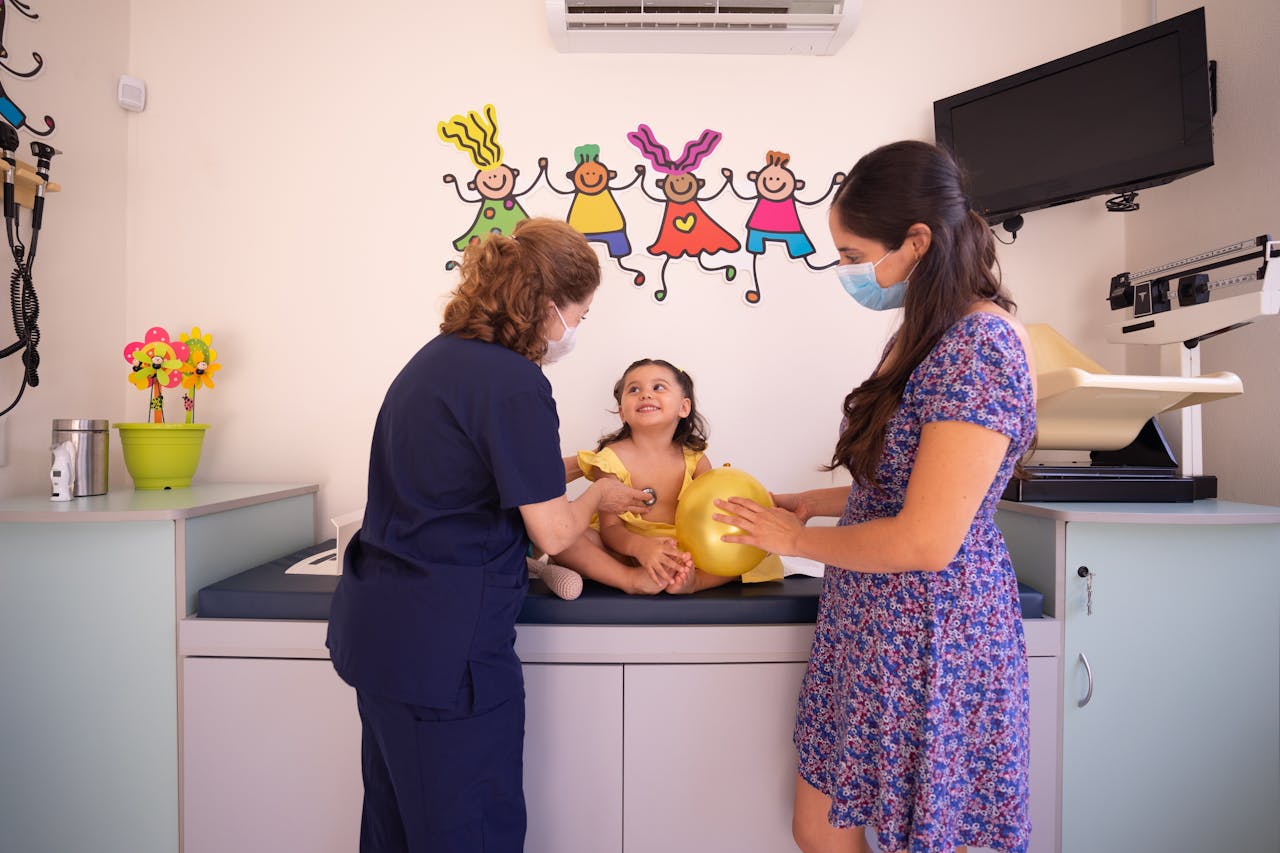
Australian parents are often unsure whether a child should see a GP, paediatrician, emergency department, or child health nurse. In most situations, a GP is the first step for assessing common illnesses, developmental concerns, vaccinations, referrals, and ongoing care. Understanding how the Australian system works can help parents make decisions with more confidence.
Parents often expect children’s healthcare to follow a simple pathway. A child becomes unwell, a specialist is booked, and answers follow quickly. In practice, Australian healthcare works differently, especially for babies and young children.
A common source of confusion comes from overseas parenting content. Online discussions, social media videos, and forums frequently describe paediatricians as the routine first doctor for children. Australian parents are often surprised to discover that most childhood healthcare starts with a GP instead.
That does not mean specialist care is unimportant. Paediatricians play a critical role in children’s healthcare across Australia. The difference is that GPs manage a large amount of childhood care before specialist involvement becomes necessary.
Understanding how this pathway works can make it easier for parents to know where to start when something feels wrong.
Why Australian Families Usually Start With a GP
Children experience a wide range of illnesses, symptoms, developmental stages, and behavioural changes throughout infancy and childhood. Many of these concerns can be assessed and monitored by a GP without immediate specialist involvement.
Routine childhood healthcare often includes review of fevers, infections, feeding difficulties, sleep concerns, rashes, vaccinations, school or daycare forms, growth monitoring, and developmental observations. A GP can also help determine whether symptoms require monitoring over time, referral pathways, or further investigation.
For many parents, the first appointment is not about receiving an immediate diagnosis. It is often about understanding whether a concern appears urgent, expected for a child’s age, or something that may need ongoing follow-up.
Families looking for ongoing support with vaccinations, developmental reviews, and routine care often begin through services focused on Buderim children’s health before considering specialist care.
Situations Where Parents Often Expect a Paediatrician Too Early
Australian parenting forums frequently show the same pattern. Parents become concerned after a difficult stretch involving poor sleep, feeding struggles, recurrent daycare illness, delayed speech, behavioural changes, or sensory difficulties. The assumption is often that a paediatrician should be booked immediately.
In many situations, however, these concerns still begin with GP assessment. A GP may review symptoms in context, examine the child, track patterns over time, organise preliminary investigations, or recommend observation before referral becomes necessary.
This process is important because childhood symptoms are not always straightforward. Behavioural changes, for example, may relate to disrupted sleep, anxiety, hearing problems, developmental variation, or underlying illness. A careful first assessment can help clarify which pathway is most appropriate.
When Specialist Care May Be Recommended
Paediatricians are medical specialists who focus on infant, child, and adolescent health. Some children are referred quickly because their symptoms are more complex or require specialised investigation. Others may only require specialist involvement if concerns continue despite initial GP management.
Referral pathways commonly involve developmental delays, neurological concerns, severe allergies, suspected ADHD or autism assessments, epilepsy, complex feeding difficulties, or chronic medical conditions requiring multidisciplinary support.
Even after referral, many families continue seeing their GP alongside specialist care. Ongoing childhood healthcare often becomes a shared process involving the family doctor, allied health providers, schools, specialists, and parents themselves.
This continuity is one reason many families prefer establishing care with a regular clinic rather than attending different providers each time a child becomes unwell.
Why Parents Often Feel Unsure About Whether to “Wait and See”
One of the strongest themes across Australian parenting discussions is uncertainty. Parents frequently describe feeling caught between not wanting to overreact and worrying they may overlook something important.
Children’s symptoms can also change quickly. A child who seems energetic in the morning may develop fever, fatigue, or irritability later in the day. Developmental concerns can be equally difficult to interpret because children progress at very different rates.
The challenge becomes greater when parents receive conflicting advice from relatives, parenting groups, social media, daycare staff, or online forums. Some parents describe feeling reassured by one source while becoming more anxious after reading another.
GP appointments can help place symptoms into proper clinical context rather than relying on isolated online experiences or comparisons with other children.
What Happens if Paediatrician Waitlists Are Long?
Specialist waitlists are another issue repeatedly discussed by Australian parents, particularly for developmental and behavioural concerns. In some regions, families may wait several months before a paediatrician appointment becomes available.
During this period, GP involvement often remains important. A GP may continue reviewing symptoms, monitoring developmental changes, arranging referrals, coordinating investigations, and helping parents understand which symptoms require escalation.
This stage is sometimes underestimated. Parents may assume nothing meaningful can happen until the specialist appointment arrives, but ongoing assessment can still provide reassurance, direction, and continuity of care while families wait.
When Emergency Care Is More Appropriate Than a GP Appointment
Although many childhood concerns can begin with a GP, some symptoms require urgent medical attention through emergency services.
Breathing difficulties, seizures, reduced responsiveness, severe dehydration, rapidly worsening illness, significant injuries, or high fevers in very young infants may require emergency assessment rather than routine clinic review.
Understanding the difference between urgent symptoms and concerns appropriate for GP monitoring can help parents make decisions more confidently during stressful situations.
Children’s Symptoms Often Need Context Rather Than Quick Conclusions
Adults are usually able to describe pain, discomfort, or symptom patterns clearly. Children often cannot. A young child may simply say they feel “funny,” complain briefly about tummy pain, or become unusually clingy or tired.
Because of this, childhood healthcare frequently depends on recognising patterns over time rather than identifying one isolated symptom. GPs often consider changes in appetite, sleep, school participation, growth, behaviour, energy levels, illness frequency, and family history together rather than separately.
This broader perspective is one reason continuity with a regular clinic can become valuable. Families who repeatedly attend the same provider may find it easier to track changes and identify when something begins to differ from a child’s usual pattern.
Parents seeking ongoing family healthcare close to home may continue care through a trusted Kuluin GP where developmental history, previous illnesses, and ongoing concerns are already familiar to the clinic team.
Understanding the Difference Between Monitoring and Dismissing Concerns
Parents sometimes leave appointments worried their concerns were not fully understood. In reality, monitoring and dismissal are not necessarily the same thing.
A GP may recommend observation because certain conditions become clearer over time, developmental variation may still fall within expected ranges, or immediate testing may not yet provide reliable answers. Monitoring often involves specific advice about what changes should prompt reassessment or further investigation.
This distinction can help families feel more confident about follow-up plans instead of assuming a lack of concern means symptoms are unimportant.
Childhood Healthcare Across the Sunshine Coast
Families often balance convenience, appointment access, school schedules, and continuity of care when choosing where to attend for children’s healthcare. Some prefer appointments close to daycare or school routines, while others prioritise remaining with a clinic familiar with their child’s medical history.
Buderim Medical Centre supports families across the Sunshine Coast, including patients attending from Maroochydore, Mountain Creek, Mooloolaba, and Palmview for childhood illnesses, vaccinations, developmental support, and ongoing GP care.
Families may also visit from nearby suburbs including Alexandra Headland, Sippy Downs, Buddina, Parreara, Mons, Forest Glen, and Kunda Park depending on location, appointment availability, and ongoing healthcare needs.
Frequently Asked Questions
Can a GP refer my child to a paediatrician?
Yes. GPs commonly organise referrals when specialist assessment is appropriate for developmental, behavioural, neurological, allergy-related, or more complex medical concerns.
Can a GP continue helping while we wait for a specialist appointment?
In many situations, yes. A GP may continue monitoring symptoms, coordinating care, arranging investigations, and reviewing changes while families wait for paediatrician appointments.
Is it normal for children to become sick frequently after starting daycare?
Frequent viral illnesses are common during the early stages of daycare or school exposure. However, persistent, severe, or unusual illness patterns should still be assessed by a GP.
Do all developmental concerns require a paediatrician?
Not always. Some concerns improve with monitoring, allied health involvement, or time. Others may require specialist assessment. A GP can help determine which pathway is most appropriate based on the child’s symptoms and development.
Disclaimer: This article is intended for general educational purposes only and does not replace personalised medical advice. Children’s symptoms, illnesses, and developmental patterns can vary significantly between individuals. Parents should seek professional medical assessment for concerns regarding illness, behaviour, development, or urgent symptoms.
Related Blogs